Rebuilt Engine Cost: Is It Worth the Investment?
Rebuilt Engine Cost: Is It Worth the Investment?
Blog Article
The importance of sourcing quality engine parts cannot be overstated when it comes to vehicle upkeep and repairs. An engine parts store serves as a hub for various automotive components, including critical pieces such as starter motors alongside a variety of engine fixtures. Many vehicle owners aim to find reliable suppliers for their v8 engines, diesel alternatives, and reman engines. If you're keen to dive deeper into your choices, you'll encounter a comprehensive lineup tailored to all your engine-related needs. As countless engine shops exist, recognizing which one can best cater to your requests is essential. This article will discuss key considerations for choosing a dependable engine parts supplier, the types of engine components on offer, and how prices may vary based on your specific requirements their website. An engine parts store focuses on offering essential components for assembling, repairing, and maintaining automotive engines. They typically stock a variety of parts, including items like starter motors, engine blocks, and various other components critical to engine operation and efficiency. When choosing an engine parts store, it is important to look at the selection of parts available, read customer feedback, and evaluate the expertise of the staff. It's also beneficial to ensure they have specific experience related to your vehicle model. The cost of parts can vary greatly depending on the specific component and the vehicle in question. For instance, basic components like starter motors may range from $100 to $500, while comprehensive engine replacements can potentially cost several thousand dollars. The individual parts of an engine are integral to the overall functionality and reliability of your vehicle. Each element, from the starter motors that ignite the engine to the advanced fuel injectors, significantly contributes to how the engine operates. An engine parts store typically offers a broad selection of components suitable for a variety of automotive engines. Whether you’re searching for parts for classic American muscle cars, imported sedans, or durable heavy-duty diesel engines, a well-stocked store can meet your needs effectively. Take into account, for example, the considerations surrounding a rebuilt engine, which entails a considerable investment of time and materials, thereby affecting the cost of an engine replacement. Understanding the pricing dynamics in your local engine parts shop is therefore pivotal. Factors to consider include the make of your vehicle, the type of engine required, and your choice between new, used, or remanufactured parts. Additionally, having input from qualified personnel at an engine parts store can provide essential guidance to help you select the appropriate components tailored to your specific situation. While exploring an engine parts store, familiarizing yourself with the various types of components can be beneficial. Typical categories encompass electrical components, engine blocks, gaskets, pistons, and filters. Starter motors are often among the common items available, playing a crucial role in starting the engine. Meanwhile, the engine block acts as the central component where various other parts are installed, thereby influencing the vehicle’s mechanical system. In addition, you might find specialty components like LS3 motors in well-stocked shops, tailored for performance enthusiasts seeking to improve their vehicles' capabilities for racing or daily driving. Additionally, diesel engine repair components represent a significant market segment, given that diesel engines possess unique characteristics and requirements that distinguish them from standard gasoline combustion engines. Finding the ideal engine parts supplier is crucial for any automotive repair or build endeavor. Begin by investigating the reputation of different stores; reading online reviews and testimonials can reveal important information regarding their service standards and the reliability of their products. It's beneficial to seek stores that specialize in the type of vehicle you own. Certain shops may focus on vintage cars, while others may excel with contemporary or imported models. An important aspect to consider is the availability of inventory. A well-stocked engine parts store allows you to access a broad variety of components, ranging from basic engine replacement parts to specialized performance pieces like aftermarket v8 engines. Don’t hesitate to engage with the store staff; having knowledgeable personnel at your disposal can help you navigate the complexities of engine components, enabling you to make better-informed choices. Grasping the financial implications related to engine parts is essential for vehicle owners. The costs associated with parts can fluctuate widely depending on various factors such as the specific part required, the vehicle's make and model, and whether the parts are new, used, or refurbished. For example, a starter motor’s price can vary from a few hundred dollars to several hundred dollars, while a complete car engine replacement can end up costing thousands of dollars, which includes the pricing of both parts and labor. Furthermore, specialized items, such as ls3 engines, tend to command a higher price due to their performance attributes. Nevertheless, it is essential to view the purchase of quality parts as an investment that can lead to improved performance and fewer repair needs down the line. When comparing prices, it is beneficial to explore local options to prevent extra shipping costs and delays that often come with online purchases. Frequently asked questions
What is an Engine parts store?
How do I choose an Engine parts store provider?
How much does Engine parts store cost?
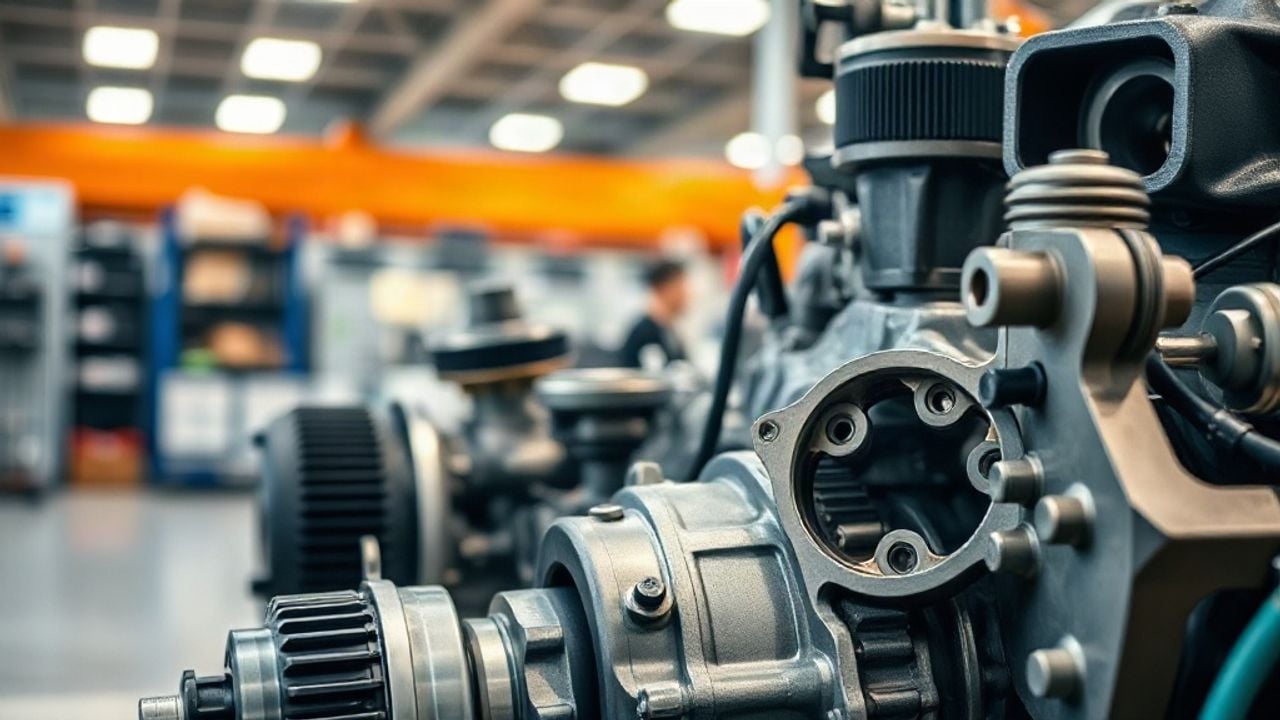 engines for salemotor replacement cost
Insights on Engine Parts
Types of Components Available
Choosing the Right Engine Parts Store
The Costs of Engine Parts
Engine parts get details on this store
Tips for Shopping for Engine Parts
When looking for engine parts, focusing on quality is essential. Higher quality parts often yield better long-term performance and durability.
- Research Your Car’s Specifications: Know your vehicle's engine specifications to avoid purchasing incompatible parts.
- Source OEM Parts When Possible: Original Equipment Manufacturer (OEM) parts usually ensure the best fit and functionality.
- Don’t Hesitate to Compare Shops: Prices can vary between stores, so comparing multiple options is advisable.
- Consider Warranty Options: Check if the parts come with a warranty — it can save you from future expenses.
- Join Online Forums: Engaging with automotive communities can provide valuable insights and recommendations for parts and stores.
Understanding the nuances of engine parts stores will bolster your confidence in choosing the right components for your vehicle. By following the outlined steps and tips, you are setting yourself up for a successful shopping experience.
Investing time in research can yield significant long-term benefits, ensuring your vehicle runs smoothly while also potentially saving on future repair costs.